


















Pink Panther, The Flintstones, The Jetsons, and Charlie Brown. These are all nostalgic and entertaining shows that have a comforting feeling to them that seems to be missing in newer kids’ TV shows. The music, animation, and characters in these classic series bring comfort through their familiarity, and they are what makes watching TV such a fulfilling experience.
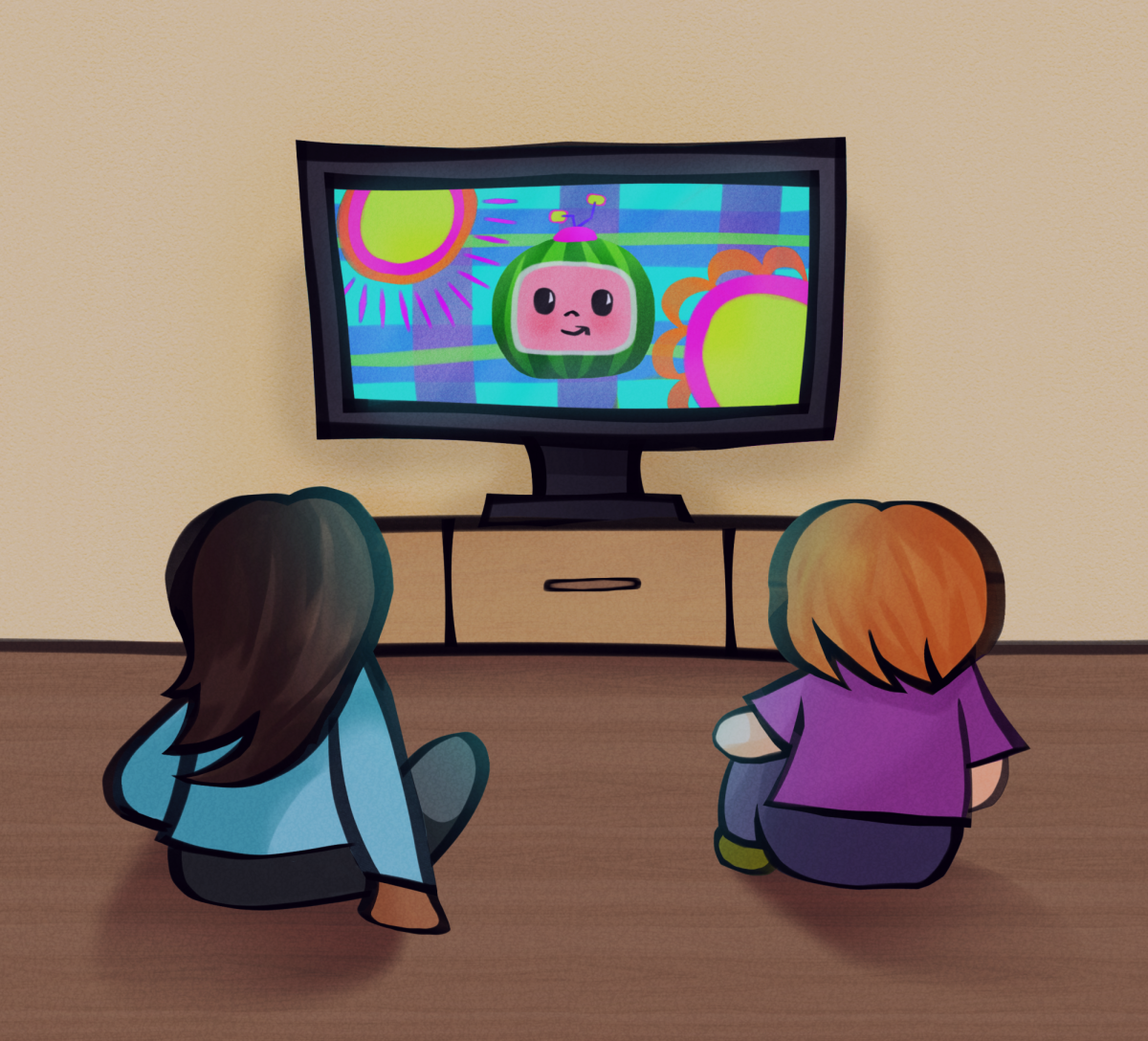
Now there are shows like Cocomelon, which have bright colors, loud noises, and quick screen transitions. These are high stimulation shows are exactly what they sound like. Though entertaining, these programs overstimulate children and make their brain work at an extremely quick pace in order to process what they are watching. According to an article written by Mariana Sofía Jiménez Nájera, a Communications and Change Management Specialist, once the show ends, their brain is still functioning at a quick pace. Without any new content to digest, they quickly become bored or angry.
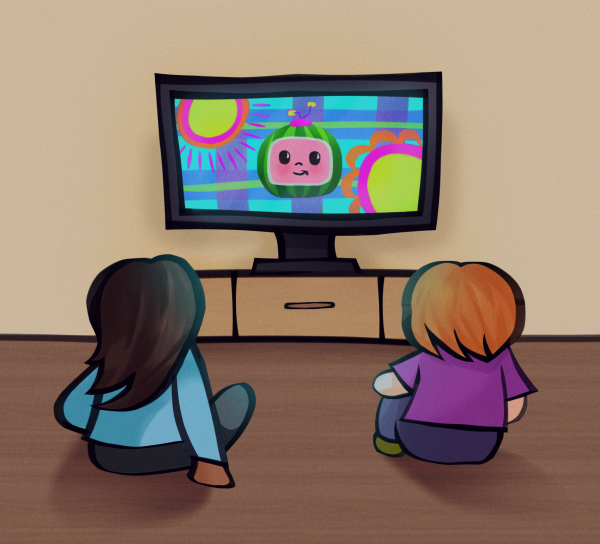
The whole “iPad kid” epidemic is discouraging. Kids should learn and experience life through human interactions, and boredom. Yes, boredom. Life shouldn’t be flashy, at least not all the time.
Another another study by PubMed Central enforces this idea by looking at how the pace of shows watched can affect one’s ability to understand or perceive the world. High stimulation TV shows instigate a lot of dopamine that makes the actual world seem boring
by comparison, and this can lead to a decrease in a kid’s attention span. “Low stimulation shows, on the other hand, portray life at a reasonable pace,” affirms Thomas, and this gentle pace seems to make children much more patient.
Many point the blame of the upcoming generations lack of social interaction on the media, and it is likely to turn into a pattern if change doesn’t. There are so many ways to be distracted, and it seems to be the goal of many to deflect reality. It is vital that kids learn to be present in their surroundings, rather than embracing the habit of avoidance.

