


























Thanks to pop culture, it’s not hard to picture a frivolous woman strutting the street of a strip mall, wearing name-brand clothes and heels, rose and peach colored shopping bags strewn behind each shoulder as she plans where to go next.
It’s not an uncommon assumption to pin a woman’s consumerism as the reason for why she may pay, according to the National Organization for Women, an average of $1,351 more than men on products and goods yearly. But this is simply not true. The disparity between women’s and men’s product prices is a complex and layered issue that goes beyond spending patterns, and profoundly damages women’s ability to achieve prosperity by emptying their already shallow pockets.
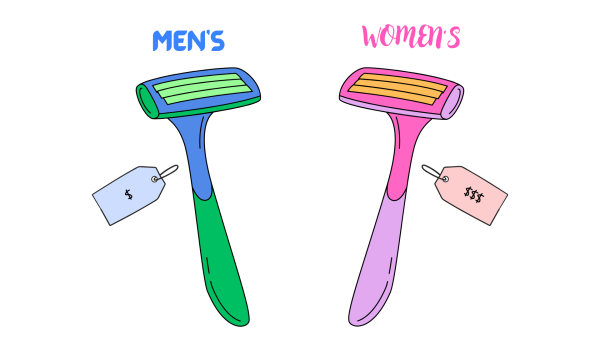
Even the most basic necessities for wellbeing such as hygiene products, are taxed at higher rates for women than men. Walk down the aisle of a typical drugstore and you will encounter it yourself. Half pink, half blue. But here’s the thing: there’s nothing really different about these products except the price—and the color of the packaging. The pink tax is the systematic price difference on gendered products despite being of the same quality and function. To help visualize this point, one product, Shick Slim Twin ST2 Sensitive Disposable Razor – 12 Count, had the pink razors with “Women’s” in the title priced at $7.51, whereas the green one titled “Men’s” was only $4.99. That’s a whopping 66% difference.
Well, what’s the big deal? The pricing of women’s products at a higher rate is an inherent injustice based in discriminatory governmental practices. Not only that, but this issue is exacerbated by the income disparity women confront. Currently, the average national parity is 85 cents on the dollar, meaning that women, on average, earn 85 cents for every dollar a man makes, adding up to half a million dollars lost over a lifetime, according to the Joint Economic Committee of the United States Congress. This astounding difference greatly impairs a woman’s ability to afford necessary products for their physical health and wellbeing, made worse by the substantially marked-up prices on their goods. The impacts of this unjust system has especially far reaching implications for women under the poverty line or low-income households, perpetuating financial inequalities and restricting how much money they can invest, save, and build wealth with, ultimately impairing their purchasing power and ability to access items of crucial importance to their health and wellbeing.
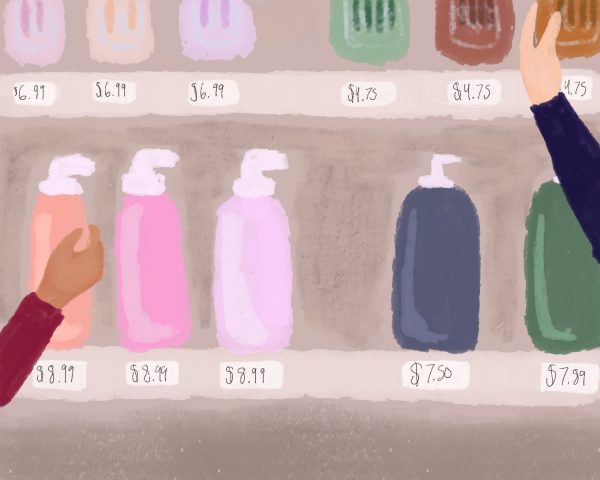
But what should you do? The pink tax is just one of many discriminatory retail pricing practices that plague a woman’s consumerism, including the tampon tax, pinkflation, pink tariffs, and more. Many states have begun to legally ban gender-based pricing through legislative action, as California did when it passed the Gender Tax Repeal Act in 1995. This prohibits businesses from charging different prices for similar but gender-based services. Minnesota is yet to achieve such a law, but there are still things you can do to help resist the pink tax. For example, purchasing products from gender-neutral brands or products, such as CeraVe, Native, or Cetaphil, and avoiding gendered packaging or pricing can help support companies that don’t utilize retail bias. You can also contact the state’s Attorney General’s office to report the discriminatory practice. For federal action, contact Congressional representatives supporting the Pink Tax Repeal Act, which is a national act aimed to ban the discriminatory practice in the whole of the United States. To engage more actively, visit the Project Pink Tax website and participate in their events and fundraisers meant to raise awareness!