
























Lights on or lights off?
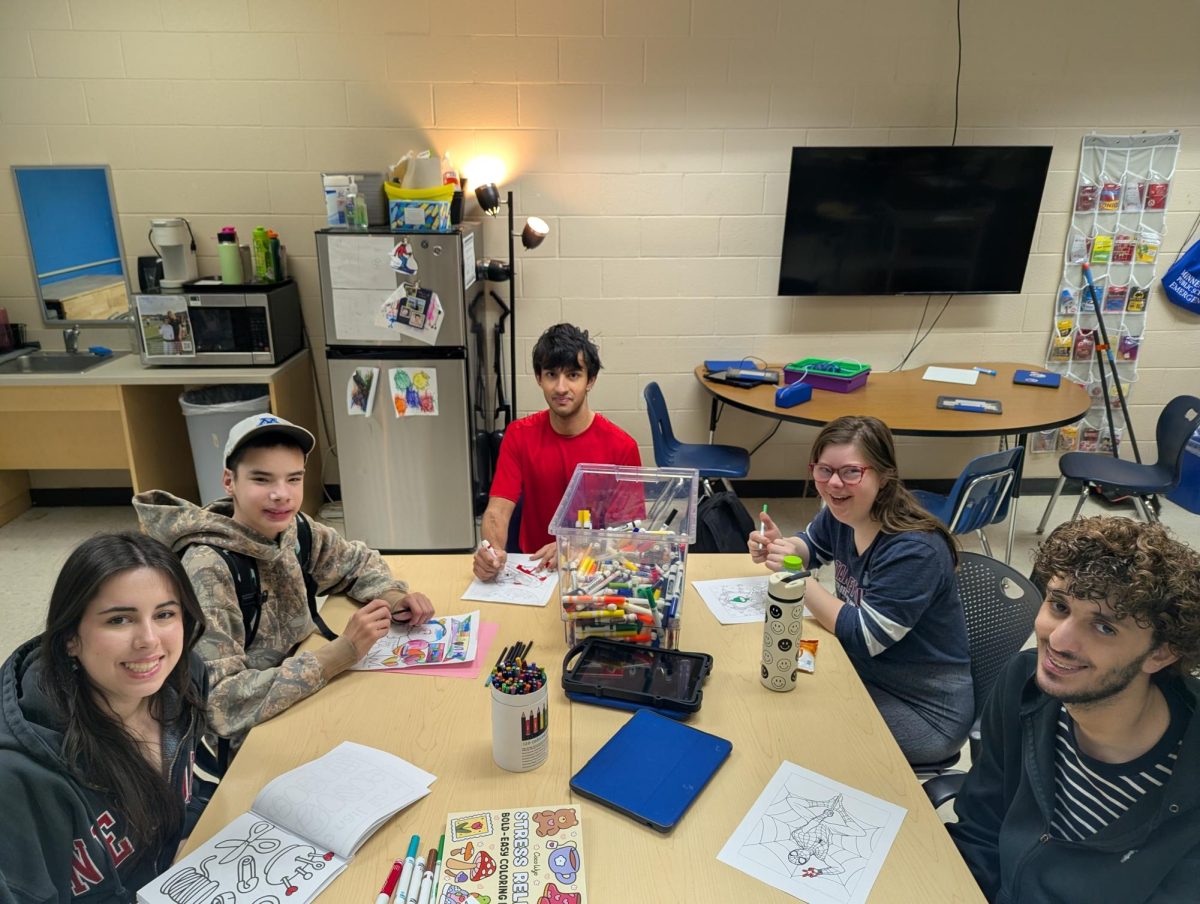
The endless debate has taken place a multitude of times across classrooms within the school, with no clear consensus. Whenever an opportunity to dim the lights presents itself, an argument between the two devout factions always seems to take place. However, classroom ambiance is more than just the lighting; it can be anything in the makeup of the room that changes the vibe, like posters and slogans on the wall. Classroom ambiance is an intangible, yet crucial, component of comfortable learning environments.
In the modern age of a technologically-advanced education, every student has a personal note-taking device with ample brightness no need for overhead lights. Whenever there’s no pressing reason to keep the lights on in the classroom, why bother? Such is the rationale of many lights haters, mainly believing that turning off the lights aids them in focusing. Countering the light skeptics, there are a seemingly equal number of believers who swear by the light, saying that the darkness is a distraction from their work.
Fortunately, a happy medium appears to be evolving. A dim lighting solution is growing in popularity, where on and off bulbs are mixed to create the optimal learning environment for the largest number of students possible.
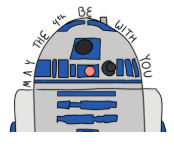
Another common aesthetic element teachers tend to curate in the classroom is posters. Whether displaying a pun or pertinent info, they’re a go-to for filling wall space. While it’s usual for multiple teachers to share one room over different periods, most rooms’ walls are still filled with some kind of decoration akin to posters. They can display anything from writing tips to funny quips, although feedback is varied on what students prefer. Ari Thull, ‘26, prefers the funnier posters, although he “doesn’t mind helpful ones.” One thing is for sure, though: any kind of art beats a blank wall.
But the real question at the heart of the problem is, does it even matter? Do posters, lights, and general aesthetic choices even have a demonstrable effect on learning? A sense of belonging and comfort are requisites to successful education, according to a study done by MIT in 2019. If students feel they are able to drop their guard in school, they’re much more willing to be taught. While it may seem frivolous to pay so much attention to the small details in the classroom’s environment, sometimes it’s the little things that matter most.


