



















Late last summer, a new phone policy was announced.
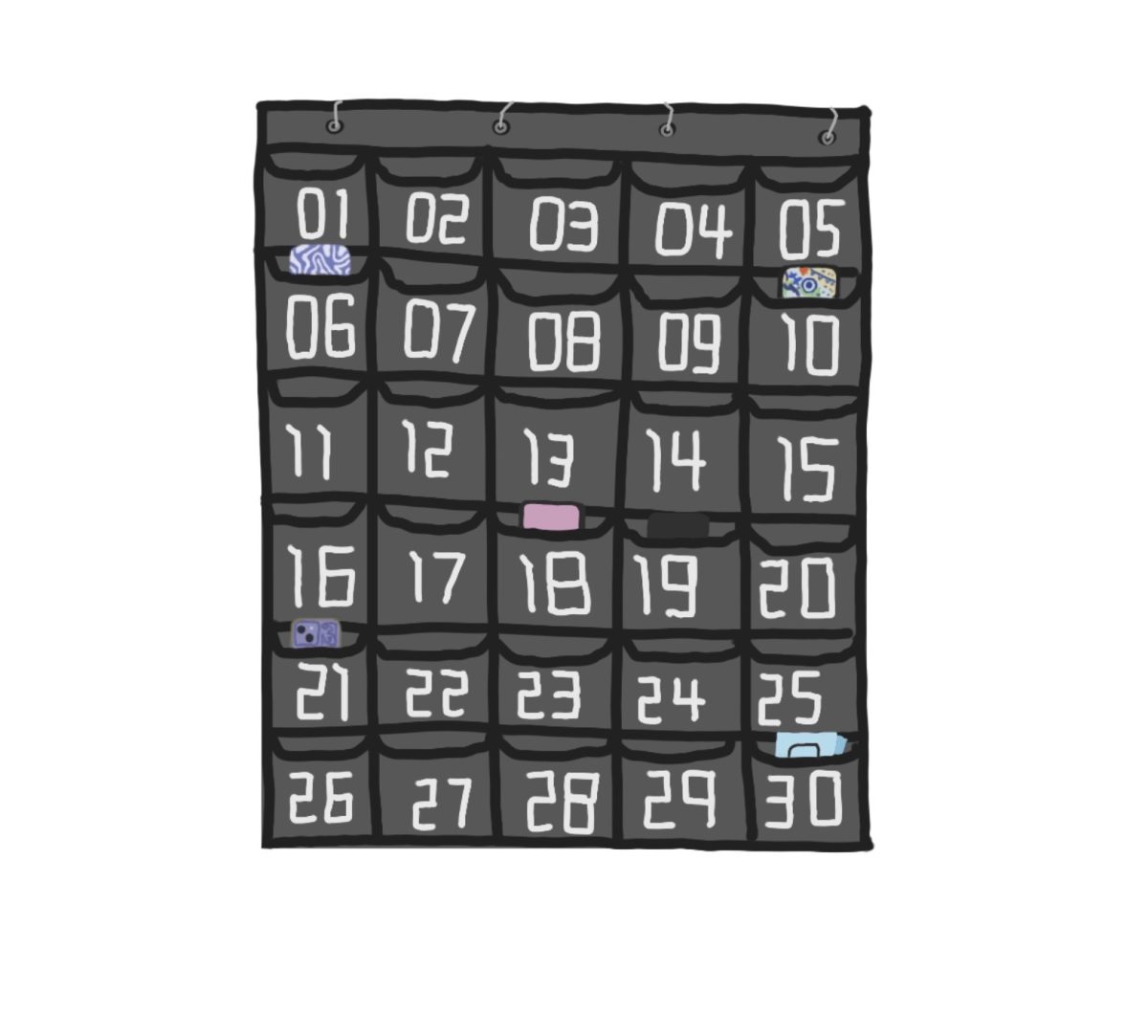
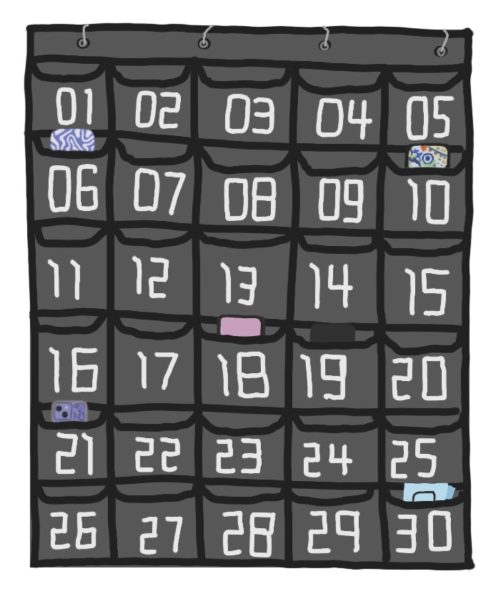
This policy was part of a nationwide movement to improve in-class engagement by enacting bans on phones in class. Some schools had strict bell-to-bell bans, while others had phone lockboxes in their classrooms. Minnetonka opted for a middle-of-the-line approach, requiring phones to be caddied during class but allowing them during passing time and lunches. Now it’s been one semester of this new policy, and both teachers and students alike are asking the same question: how’s it going?
The results from a general survey show that students are feeling pretty neutral overall about the policy. When asked to scale their feelings about the policy 1-5, from negative to positive, about 40% of students gave a 3.
In fairness, the policy is relatively new. While more time needs to pass to get a full understanding of people’s sentiments, Garrett Hultgren, ‘26, revealed that he’s seen overall improvement when it comes to in-class engagement as a result of the change, and an increase in “locked-in” behavior. He also said that the policy was very much a necessary step to solve the distracted student problem.
This may be the picture-perfect response the school would love to hear, but of course more perspective is needed. From a teacher’s point of view, Mrs. Harley says that the policy “has been mostly successful” at improving in-class engagement. However, she says there is still clear room for improvement, as most students have found new ways to get distracted on their iPads. In order to solve this, Mrs. Harley has implemented the use of fewer electronics in the classroom by using physical media like paper worksheets and notebooks.
Despite some students and teachers’ positive words about this new policy, not everyone feels the same. Dani Baig, ‘27, feels the policy
wasn’t necessary and says students still get distracted in class very easily. This brings up an important question, is it the phones distracting the students, or is it the students trying to find an escape?
This is a question that cannot be answered simply and whoever answers it will likely have a biased perspective, be it a student or a teacher. However, it’s important to leave you with one more important teacher perspective. It comes from Mrs.Von Ruden, a veteran teacher who said, “having to constantly police phones before the policy made it much harder to develop positive student-teacher relationships.”

