























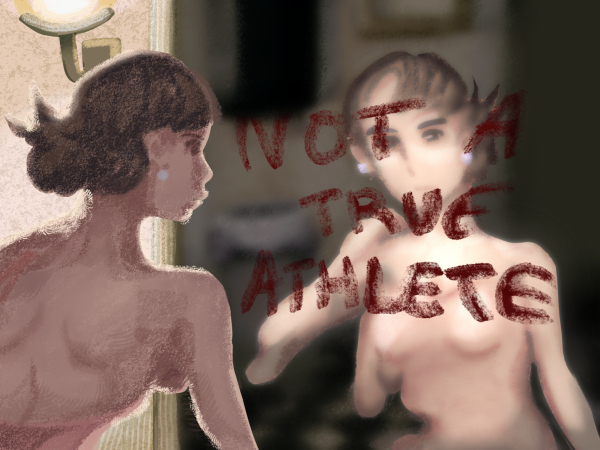
The debate on whether or not dance is a sport has been long and grueling. It is undeniable that dance requires physical exertion. But can it truly be considered a “sport?”
To effectively answer this question, we must first look at what a “sport” is anyway. The term
is defined as a “structured physical activity, often competitive, involving specific rules, aiming to improve physical fitness, mental well-being, or to achieve competition goals.”
The aspect of this definition that seems to be the most heated is the inclusion of it being “competitive.” However, the definition itself describes that sports are often competitive, but not necessarily a requirement. It’s true that dance is very different from traditional sports such as football and tennis, but does that mean that an activity can only be considered a “sport” if it aligns with these examples? If someone plays tennis regularly, but does not engage in any competition, are they no longer playing a sport? These contradictions seem to devalue the necessity of competition. And either way, over half of all young dancers engage in competition through styles like jazz, hip-hop, or ballet.
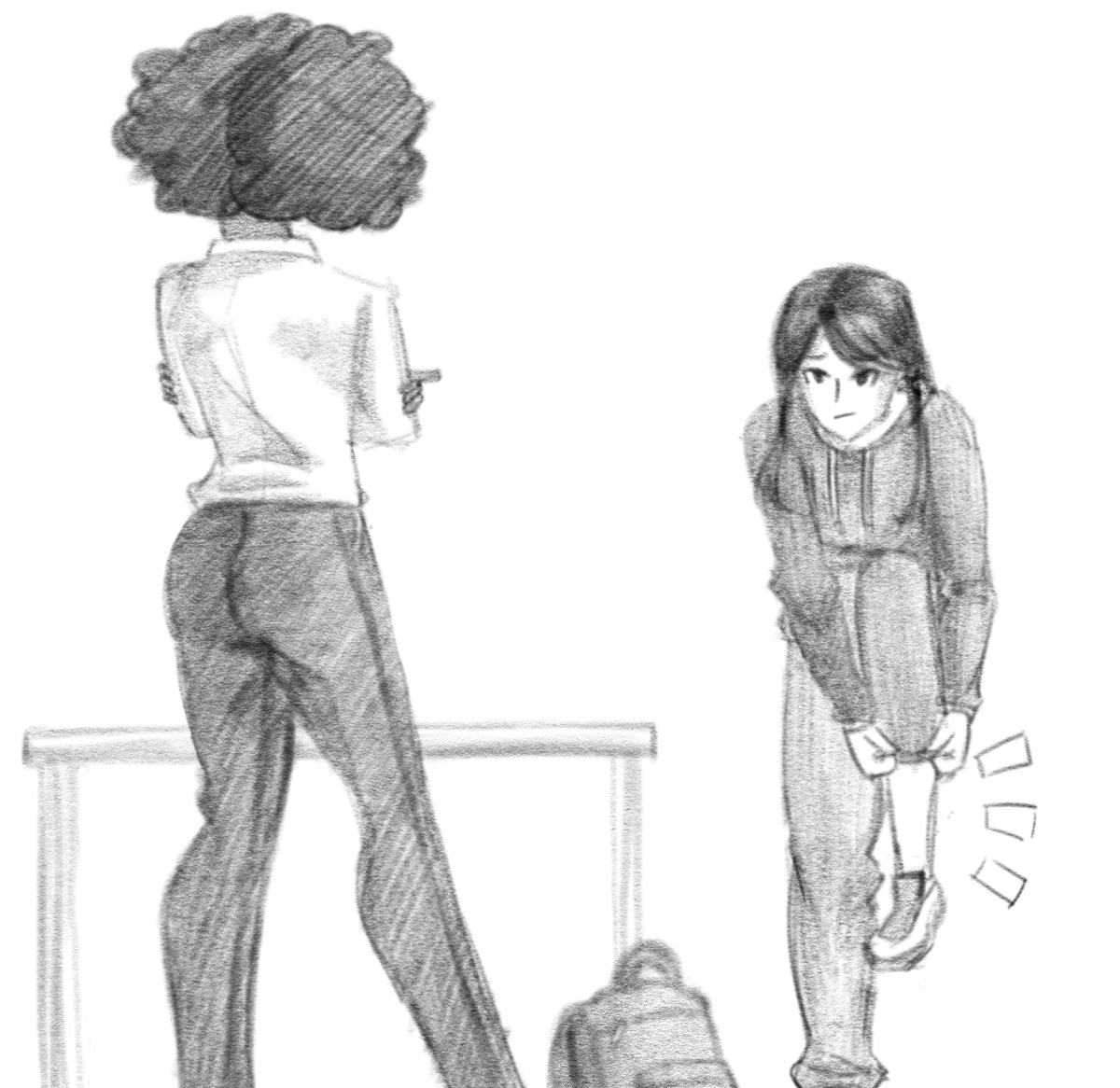
Peyton Jewell, ‘27, affirms that dance should be considered a sport. As a dancer herself, she confirms that “you have to use your whole body to execute the steps” and that “it arguably involves more of your body than other sports.” On top of the physical necessity, another dancer, Libby Donohue, ‘27, argues that “dance is extra hard because we have to perform while doing it, instead of looking like we’re suffering.” In many aspects, dance is more challenging than conventional sports in terms of discipline, athleticism, but gracefulness as well. Yet dancers are still deprived of their activity being considered a “sport.”
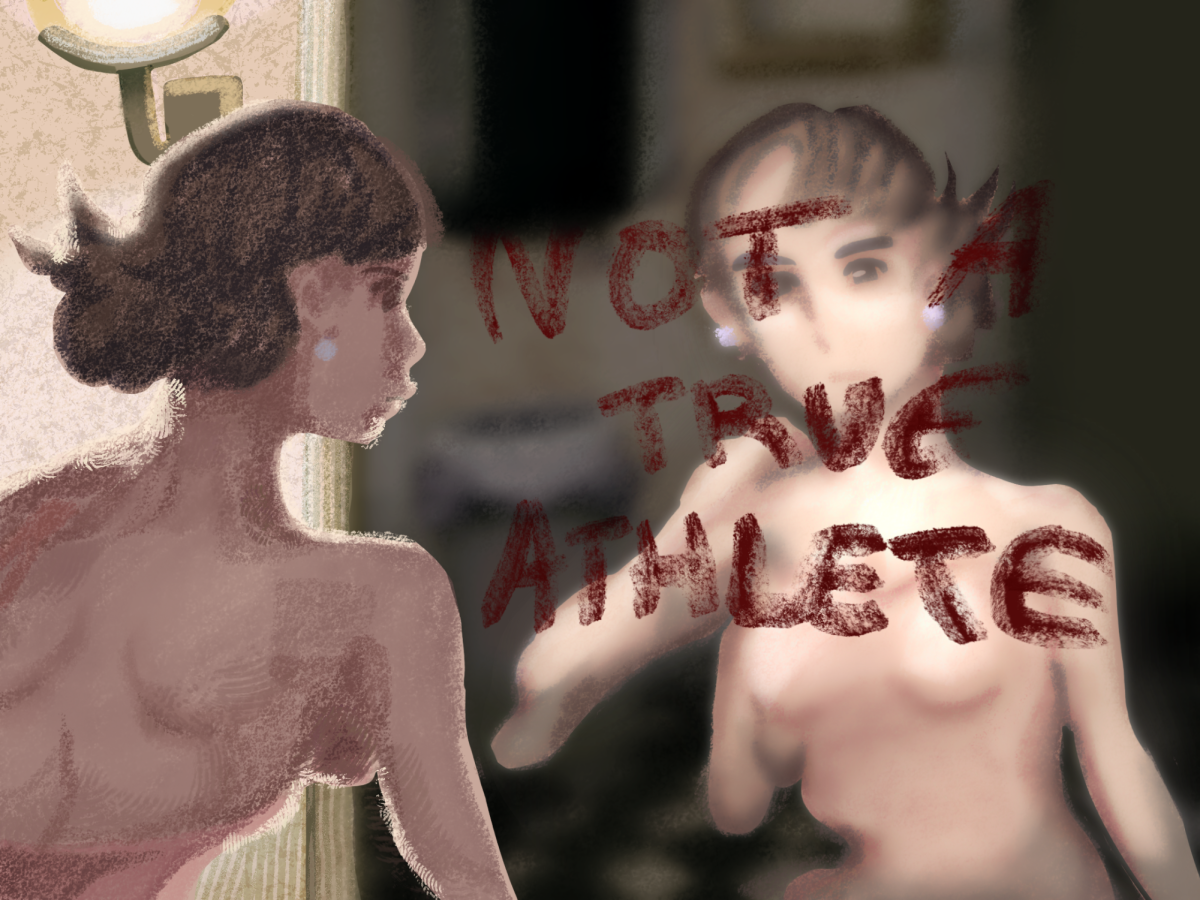
Why do some dancers want to associate their craft with sports anyway? Historically, dance has been seen as ultra-feminine. When women were excluded from traditional sports, they could turn to the dainty and beautiful image of a ballerina. Because of this, many people nowadays still see dance as “less than.” Male dancers are sometimes called ‘feminine’ and ‘sissies,’ just for doing what they love. At times, it seems the only way to counteract this is to chase a title that would finally equate dance to conventional sports. In the Olympics, sports requiring the same athleticism and artistry such as figure skating and gymnastics have been a long-time category. However—with the exclusion of breakdancing—dance has never received the same opportunity.
With all this being said, some people argue that dance shouldn’t be considered a sport for a different reason. It doesn’t come from malice or inequality, but from a different lens: that dance is an art. Dance is so unique in the fact that it always calls for self-expression; doing the steps is one thing, but actually performing them is what gives dance its prestige. Back to Donohue’s point, the craft places much importance on moving with ease. Tricking the audience into thinking that the steps are easy, and that anyone could hop on stage and join in the dance, is what pushes it past any traditional sport. But just because dance is an art does not mean it can’t be a sport as well. Jewell says that “although it’s artistic, the training of dance is more on the sports side than the arts side.”
No matter where you stand, dance brings the athletes to the brink; and even if it isn’t a sport, it’s harder than most might think.

