













Today’s young adults are struggling to make the transition between childhood and adulthood. Many sources, including Emily Stewart from Business Insider, have recognized that younger generations, primarily Gen Z, are not hitting benchmarks at the same rate as earlier generations.
According to Stewart, 25-year olds today are financially and developmentally similar to 21-year olds of the 1980s. Statistics like financial stability and home ownership indicate that the young adults today are lagging behind previous generations. However, these numbers don’t tell the full story. These typical benchmarks of adulthood are becoming harder to achieve because mortgage rates have skyrocketed and wages have stagnated.
In a particularly challenging era for young adults, when life skills like financial literacy are pertinent, whether school is able to prepare students for adult life is increasingly up for debate. Sloane Rilley, ‘27, doesn’t feel prepared for life after high school. “I think that [the school] could teach more life skills. They have Momentum, [where you can learn about] cars and carpentry, but I feel like it’s hard to fit into your schedule.”
As an editor for the yearbook, and with a six-period day, Rilley has to make hard choices about which classes she takes. She feels taking advantage of the hands-on courses offered at MHS is not an option for her. It is also worth noting that Rilley is in the last year of students that aren’t required by the state to take a personal finance class. While she is very interested in learning about personal finance, without the requirement and with only one year left to take the class, making time for this course as well as yearbook might not be possible for her.
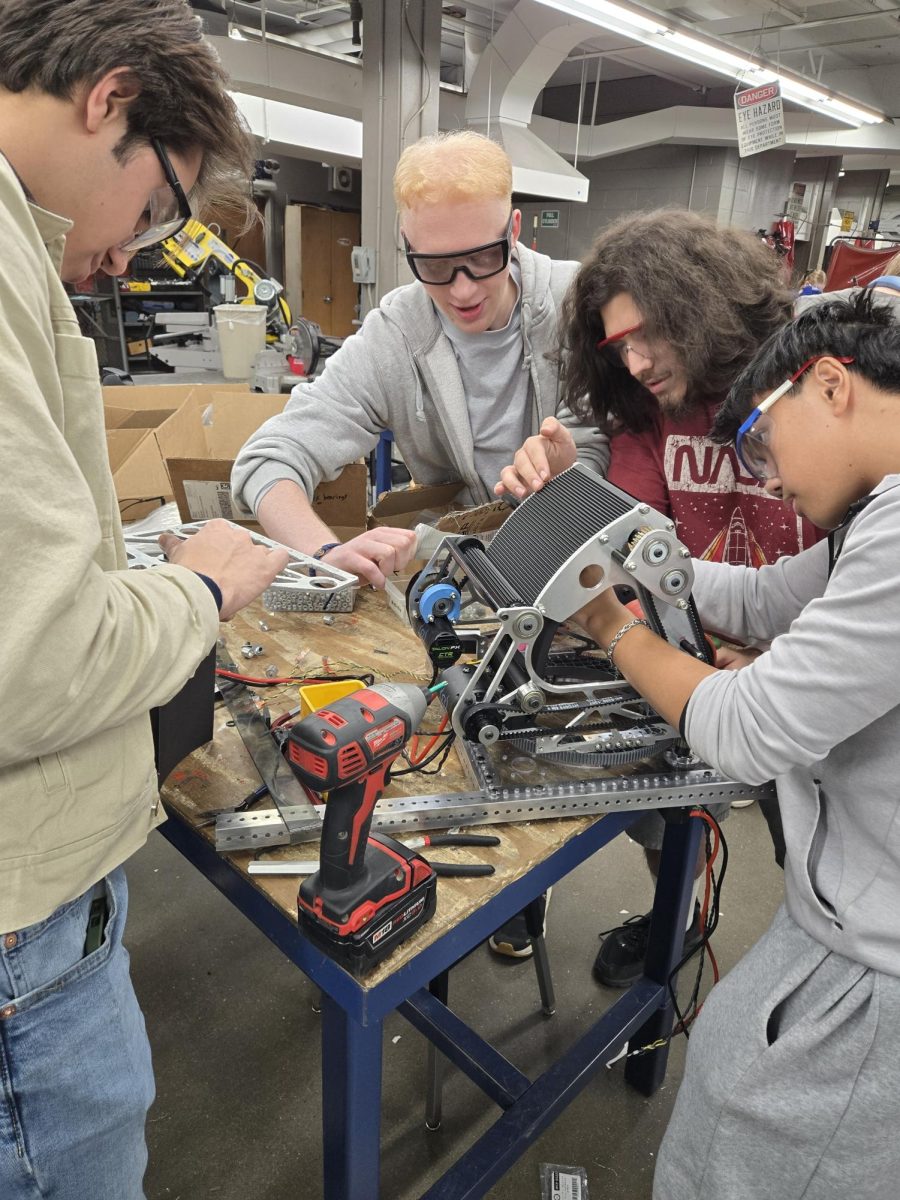
Valentina Borns, ‘28, took an automotive engineering class her freshman year to explore her interest in becoming an engineer. As a hands-on learner, she was excited to learn more about automotive engineering, but felt like the class didn’t meet her needs.
Cad Stoffel, ‘28, is interested in pursuing a higher education in math or science, and has taken many advanced classes to prepare for it. Stoffel feels like there are myriad options to experience advanced learning, saying that “in terms of academics, there’s plenty of ways to go about advancing.” The majority of MHS’s classes are more of a standard format, so students like Stoffel who are interested in pursuing a traditional post-secondary program feel well-prepared for success in college. However, Stoffel also states, “I feel like [school] does a fairly good job at preparing you for college, but not necessarily for life after.”
Both Rilley and Stoffel have similar desires for MHS to incorporate more basic life skills into their learning, and both believe that the personal finance class is an important step to achieving financial literacy. “In this modern day and age, […] credit card debt is incredibly dangerous,” says Stoffel, “you have to know how to manage your own money [if you have] student loans [or] a credit card.”
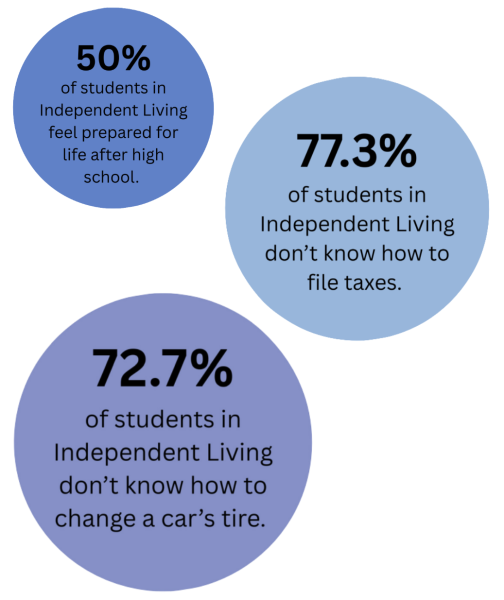
According to journalist Laura Ascione, nearly 72% of students report feeling moderately to not-at-all prepared for life after high school. Aware of these low numbers, Minnesota has begun to implement new required courses for high school graduates, such as Independent Living and Personal Finance, so students can learn vital skills they will need on graduation day.
Elizabeth Plemel-Scott, an Independent Living teacher at MHS, says that her class is designed to dive into “things that most of us end up dealing with before we’re 20,” such as “renting an apartment, buying a vehicle, building good credit, and banking.” Plemel-Scott tries her best to present her students real-life situations so that they will be prepared for their adult lives regardless of their post-high school path. Some of her students have even found a job because of her class since they “created their portfolio, did some interviewing, and that has helped prepare them for real life.”
Rilley says that the personal finance class is helpful because “we’re going to become adults in this economy, so it’s[…]pretty important that we know how to use our money.” Many students believe that these new required classes are a positive change towards achieving financial acumen. Even so, there are some aspects of life that these classes don’t cover.
Stoffel believes that while personal finance and independent living classes are extremely important for learning about credit card debt and student loans, he wishes more basic skills were available, such as “how to properly set up doctor’s appointments […] as well as basics, like changing tires.”
Jack Seifker, ‘26, says that his job is ultimately what has taught him the most valuable lessons for living independently. Working during the summer in construction, Seifker says he learned that “being independent in high school isn’t just about having freedom, it’s being responsible for myself.”
Though there are gaps in the education system when it comes to independent living, there is a limit to what can and should be taught in schools. Schools simply don’t have the resources or time to cover all of the information students will need to know for the rest of their lives. While that may make students feel unprepared for life after school, not all hope is lost.
Many basic skills can be picked up through experience. A first line of offense can often be family members.
Asking your family if you can watch them file taxes or change a tire can be a great way to learn these necessary skills. Additionally, there’s always the internet! Many YouTubers have channels dedicated to passing down their knowledge to the next generation. At the end of the day, the only sure way to learn how to live independently is by using the resources available to you and that you seek out.
All art by Margot Sullivan, Feature Editor