








Hope and politics once seemed to be like the moon and ocean: one affecting the other, bringing forth some waves, all the while never truly coexisting. In today’s increasingly divided political landscape, it can be difficult to imagine a world where the two ever crossed paths.
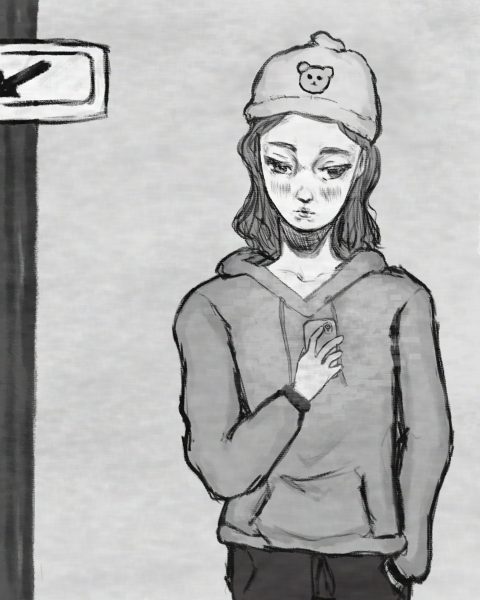
Much of this stems from the new way in which we interact with politics. At one point, politics may have seemed farther away from the average person. Something to interact with if desired, only needing to interact with it to understand the names on the ballots. Now, however, we are inundated with a constant stream of news, information, and politics, and so often it just feels like running a rat race trying to keep up with who’s right and what side you should be on. Grayson Dumalag, ‘26, has this to say about our feeds: “I do think it’s gotten worse with AI, because there is a lot of misinformation.” In an age where anyone can claim anything and have a few believers, people increasingly seem to value shock and division over actual gains.
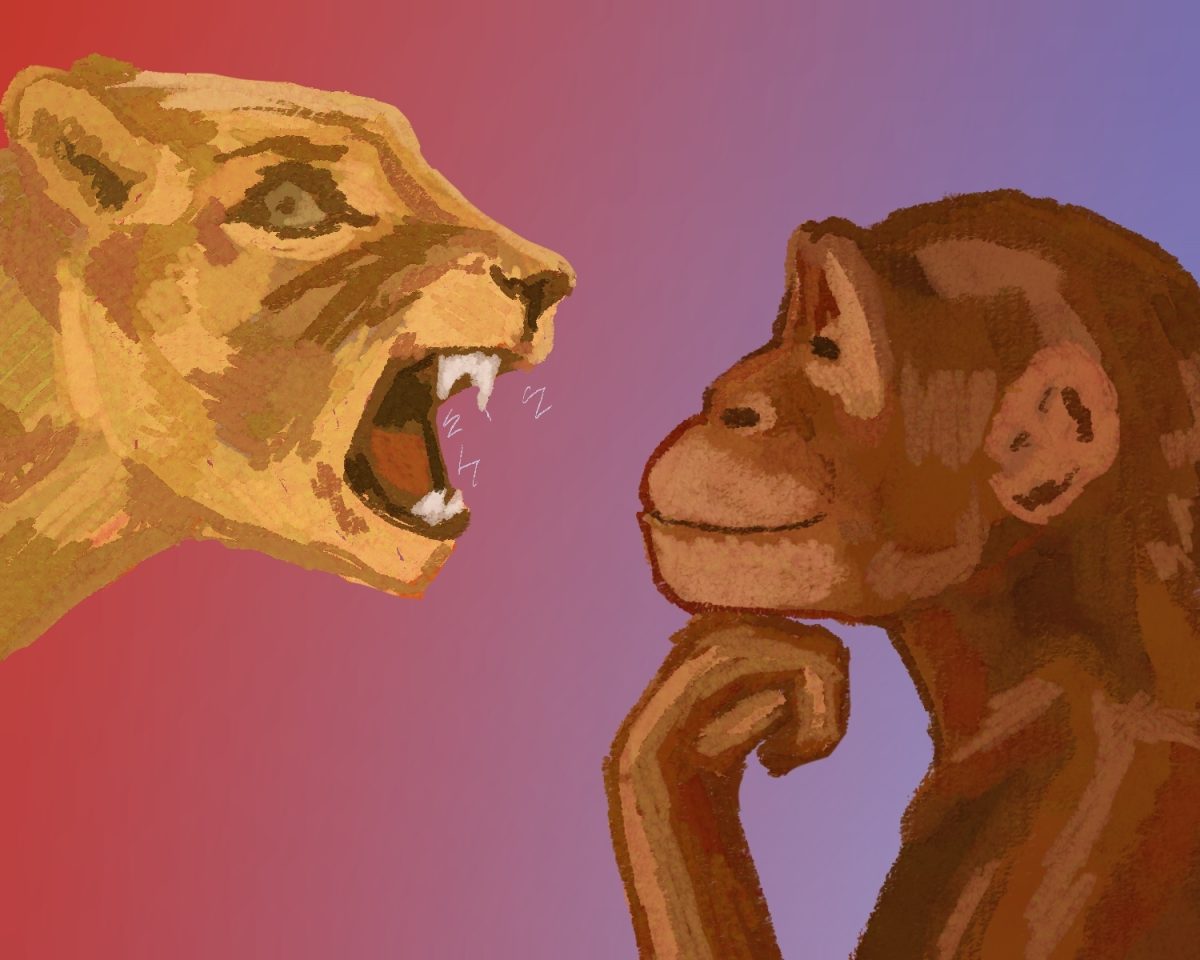
Whatever camp you fall into, it is no longer just “this one” or “that one,” but also carries a strong moral judgment with it. As Avery Baum, ‘26, put it: “it’s not a matter of like, oh, you like pineapple on pizza, it’s like, you’re actively supporting [something I can’t stand].” And this moral judgement extends to both sides, where circular reasoning claims that they are wrong simply because you’re right, and now it seems we’re stuck in an endlessly bleak shouting match where nothing changes but the increasing volume.


